When the Market Moves, the Brand That Stays Still Loses
Starbucks remained remarkably consistent with its original strategic logic. Luckin remained closely aligned with an emerging reality. One optimized meaning through experience, while the other optimized meaning through utility.

Why Luckin Wins in China and Starbucks Does Not
For years, Starbucks was seen as the inevitable winner in China's coffee market. It had global scale, strong brand equity, and the cultural prestige that came with being one of the world's most recognizable coffee brands. When Luckin Coffee entered the market, few expected it to become a serious challenger. Yet within a relatively short period, Luckin did not just grow. It quietly changed the competitive landscape.
Today, the contrast between the two brands is no longer about product quality or brand awareness. It reflects something much deeper. Luckin did not win because it made better coffee, and Starbucks did not lose because it stopped being a good brand. The shift happened because the market itself changed, and only one brand adjusted early enough to move with it.
Starbucks Built a Place. Luckin Built a Habit.
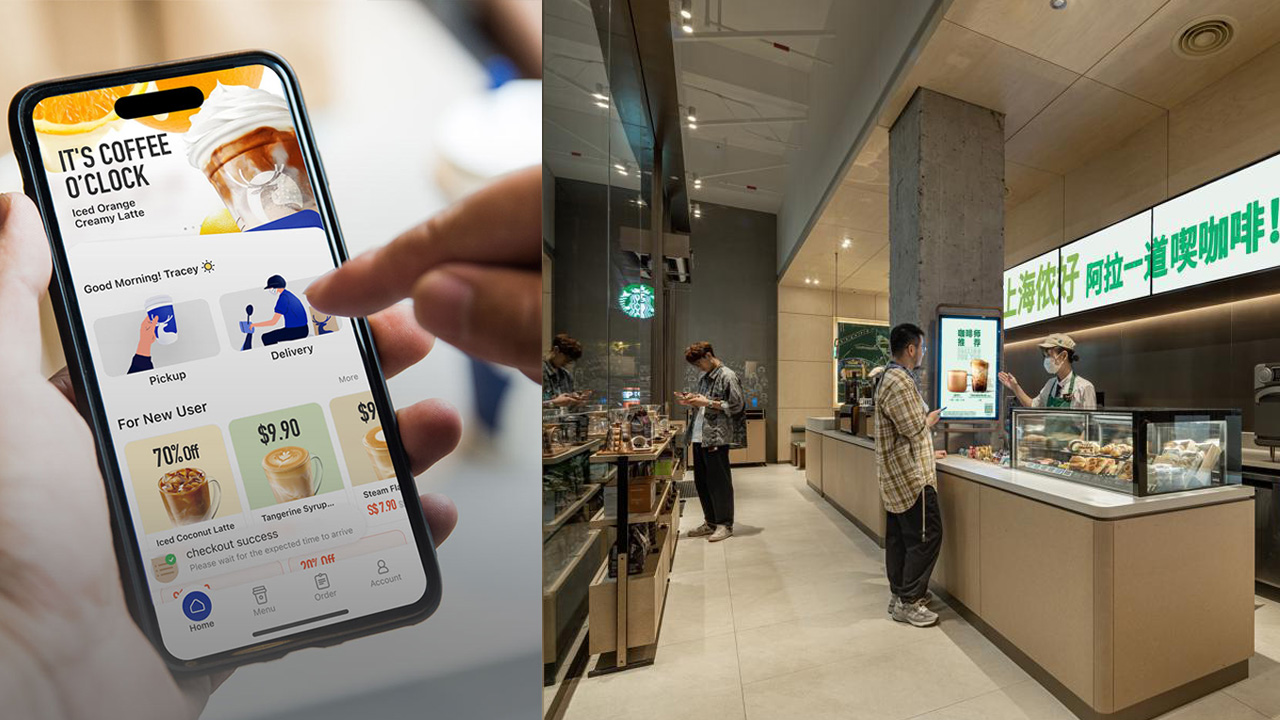
Starbucks entered China with a global strategy that had already proven successful elsewhere. Coffee was positioned as a place, a "third space" between home and work where people could pause, socialize, or spend time in a comfortable environment. For many years, this approach resonated strongly with Chinese consumers who associated Starbucks with modern lifestyles, aspiration, and global sophistication.
Luckin chose not to compete in that space. Instead of creating destinations, it focused on creating habits. The brand was designed around speed, accessibility, and everyday routines. Coffee was no longer something people went out to experience. It became something that naturally fit into an already busy day.
In a market where urban life moves quickly and digital behavior is deeply embedded in everyday routines, that difference became more important than brand heritage itself.
When Convenience Becomes the Baseline
As China's cities evolved, consumer expectations evolved with them. Everyday activities became increasingly app-driven. Mobile payments became effortless, delivery services became routine, and convenience gradually stopped being a competitive advantage. It simply became the expected standard.
Luckin aligned itself almost perfectly with this reality. Every step, from ordering and payment to pickup, was optimized to reduce friction. Starbucks, by comparison, remained anchored to a physical experience that still required customers to dedicate time, intention, and presence.
The issue was never that Starbucks ignored digital technology. Rather, digital became an additional layer on top of an existing model, while Luckin was designed around digital behavior from the very beginning. It was not adding convenience to coffee. Convenience became the foundation of the business itself.
Price as Behavior, Not Positioning
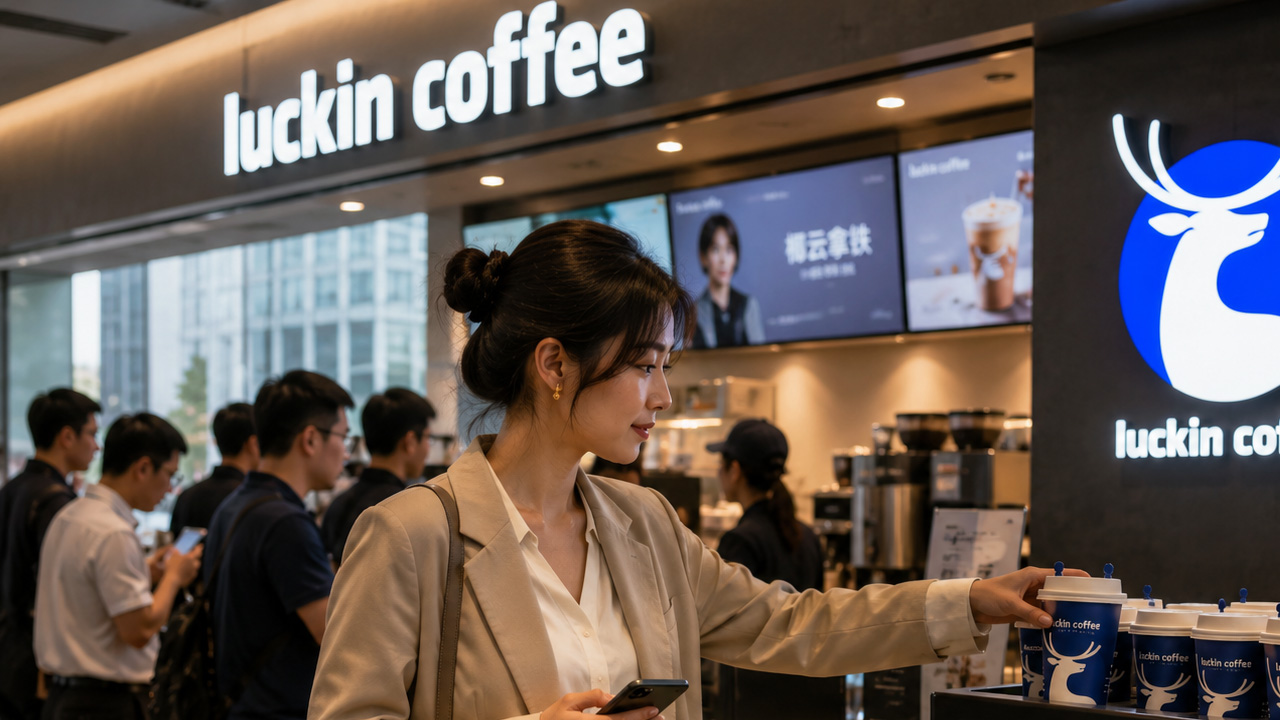
Price played an important role in Luckin's growth, but not in the way many people assume. Luckin was never simply competing on being cheaper. It was competing on frequency.
Lower prices were not only about making coffee appear more affordable. They made daily repetition possible. Coffee gradually shifted from being an occasional indulgence into a routine part of everyday life.
Starbucks' pricing still made sense within its original logic, where coffee represented an experience rather than a daily habit. However, as consumer behavior changed, price became less about brand status and more about behavioral permission. Luckin made it easy for consumers to choose coffee every day, while Starbucks unintentionally kept coffee as something people paused to consider before purchasing.
Over time, this seemingly small difference accumulated into a significant competitive advantage.
The Meaning of Coffee Shifted Quietly
Perhaps the biggest change was not functional at all. It was cultural.
Coffee gradually stopped representing lifestyle and aspiration. Instead, it became associated with productivity, energy, focus, and momentum. Consumers increasingly viewed coffee as something that supported the rhythm of their work rather than symbolized a particular identity.
Luckin aligned itself naturally with this shift. It did not announce a major cultural narrative or introduce a bold manifesto. It simply became a product that matched how people were already living.
Starbucks continued to represent a pause in the day, while Luckin represented flow. Neither positioning was inherently better. However, only one aligned with the direction the market itself was moving.

Scale Follows Behavior, Not the Other Way Around
Luckin's rapid expansion is often described as aggressive growth. A more accurate reading is that its expansion followed behavioral density.
Its stores were never intended to become destinations. They simply needed to be close enough to fit naturally into existing routines. Smaller formats, broader coverage, and operational efficiency became logical consequences of how consumers were already behaving.
Starbucks, on the other hand, continued investing in larger stores and experience-oriented spaces. That approach was entirely reasonable for a different stage of the market and a different pattern of consumer behavior. But once coffee became everyday infrastructure rather than a destination experience, the economics of the category shifted.
Luckin did not out-brand Starbucks. Starbucks gradually fell out of sync with the environment around it.
This Is Not a Coffee Story
The pattern seen in China extends far beyond coffee. Similar dynamics appear whenever markets mature, consumer behaviors become normalized, and categories evolve from aspiration into routine.
In those moments, the winning brand is rarely the one with the strongest story. More often, it is the one that adapts first to how people actually live.
Starbucks remained remarkably consistent with its original strategic logic. Luckin remained closely aligned with an emerging reality. One optimized meaning through experience, while the other optimized meaning through utility.
In China, the market chose utility.
Reading the Market Before It Speaks
Luckin did not win by disrupting Starbucks. It won by paying closer attention to the environment around it.
Starbucks did not fail. It simply remained aligned with a version of the market that was gradually fading away.
This is the uncomfortable lesson many brands eventually face. Success rarely disappears because a brand suddenly becomes weak. More often, it fades because the world the brand was originally built for no longer exists.
The real question, then, is not which brand is better. The more strategic question is much simpler:
Is your brand still aligned with how people live today, or with how they used to?